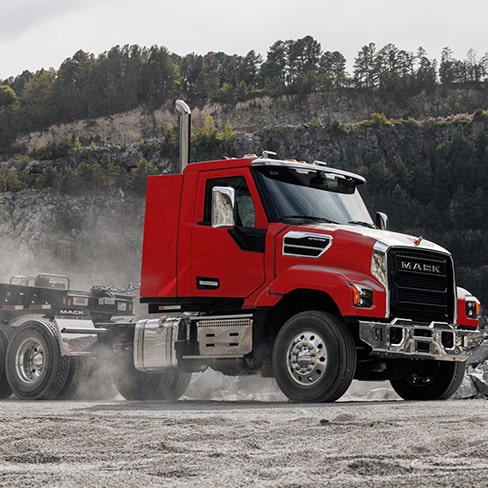

7 ways to manage maintenance costs
Pro Tips from Mack: 7 ways for vocational truck fleets to manage maintenance costs
Maintenance is one of the largest operating expenses for vocational fleets; however, it's also an area where smart planning can help reduce costs without sacrificing reliability. While some strategies for reducing maintenance costs have stood the test of time, today's fleet owners also have advantages that weren’t available just a few years ago: connected technologies that provide real-time visibility into vehicle health and maintenance needs, and tailor-made service plans designed to remove the guesswork from coverage.
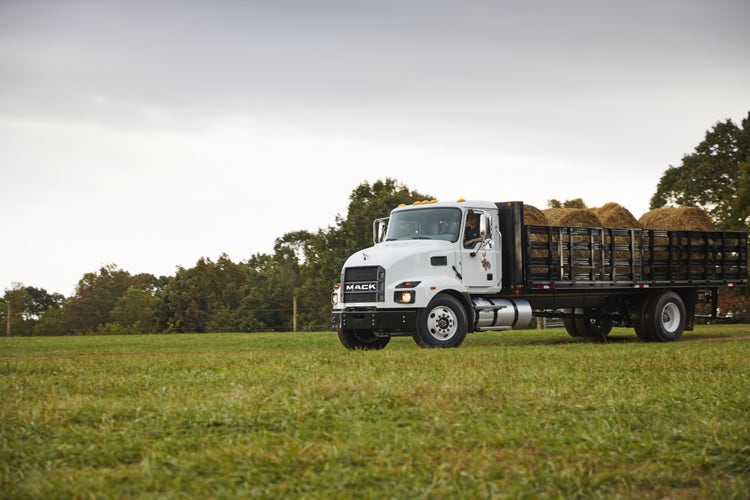
Here are 7 tips to keep top of mind:
- Focus on preventive maintenance. Reacting to an unexpected failure is almost always expensive. If you’re lucky, it’s just the repair. More often, a breakdown could mean any combination of costly factors such as towing, missed jobs, and frustrated customers. Address issues before they become breakdowns by building preventive maintenance schedules around both mileage and engine hours, especially for vocational trucks with significant idling time or routes in harsh environments.
- Take advantage of integrated uptime systems. Modern Class 8 trucks like those in the Mack Trucks’ family generate valuable operational data. Integrated uptime systems combine telematics, diagnostic information, fault codes, maintenance records and service scheduling into a single fleet overview. These systems are vital for fleet managers, as integrated uptime is useful in spotting fault codes immediately and targeting assets that need attention. This data is extremely helpful in prioritizing repairs.
- Don’t overlook service and maintenance contracts. If predictability sounds exciting, maintaining peak performance through a premium service contract could be just what you’re looking for. Whether its genuine parts, certified service, or simply fixed costs paired with unmatched value, the long-term savings and overall convenience of a contract is worth considering.
- Make driver inspections count. Drivers are still one of your most important sources of maintenance information. Your operators should be performing meaningful pre-trip and post-trip inspections and reporting issues such as small leaks, unusual noises, warning lights or abnormal tire wear that often indicate developing issues. When driver observations are combined with data from integrated uptime systems, maintenance managers gain a more complete picture of vehicle condition and can respond before minor issues become major repairs.
- Track maintenance trends. Tracking your repair history helps identify recurring component failures, high-cost repairs, and vehicles that require excessive maintenance. When maintenance records are integrated with telematics and vehicle health data, trends are easier to identify. These insights can be used to influence equipment replacement decisions, maintenance schedules and purchasing strategies while helping eliminate repeat failures, ultimately boosting overall profitability.
- Monitor fluids and critical components. Routine oil analysis is one of the most cost-effective predictive maintenance tools available. Fluid sampling can reveal excessive wear metals, coolant contamination, fuel dilution, and other warning signs long before a component fails. Pairing those results with diagnostic information from integrated uptime platforms gives fleet managers greater confidence in maintenance decisions, helping prevent unexpected breakdowns and improve maintenance planning. Combine with quality lubricants that match your application.
- Measure maintenance by uptime, not just repair costs. The true cost of maintenance is more than parts and labor; it’s lost productivity, as a truck sitting in the shop isn’t generating revenue. Downtime impacts every aspect of your operation, and you can use truck availability and uptime as one measure of success. Integrated uptime systems, especially when combined with scheduled preventive services, can support this approach before failures sideline equipment.